
Articles

Choose the Jesus Option

Choose the Jesus Option

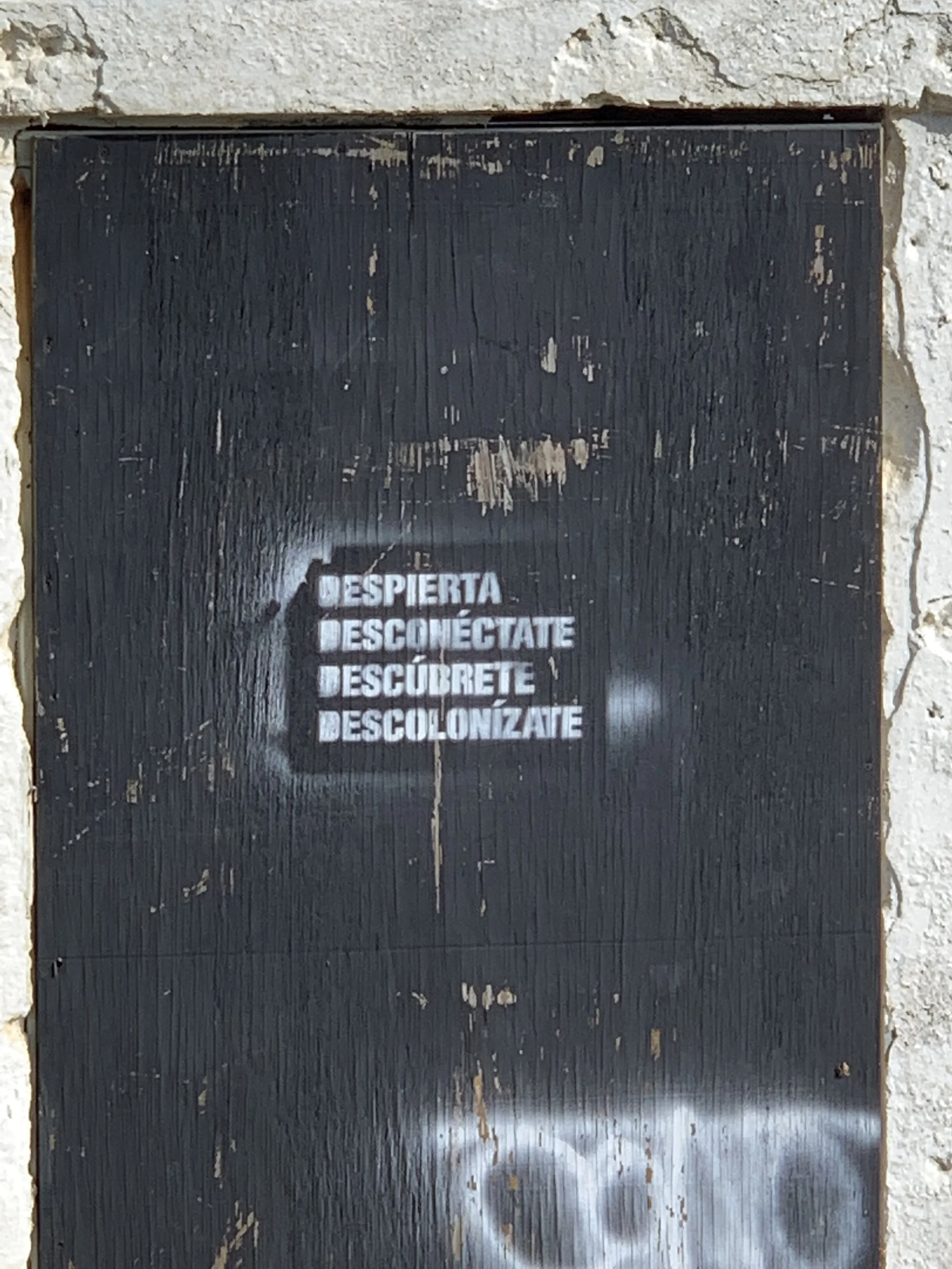
Racism, militarism, capitalism, colonialism, heteropatriarchy, and environmental exploitation all stem from the same root - White Supremacy. These are demons we are called to cast out every fiber of US life and of Global engagement. The reference to “sheep” in the lesson of Matthew 9.35-10.8 is a political and sociological reading of the circumstances of the crowds that surrounded Jesus. Jesus had compassion and healed crowds of “troubled and helpless” people. Their troubles and helplessness - systematic, intentional. Oppression and marginalization are built to support White Supremacy. The lesson calls the Church, in the midst of oppression and marginalization, to heal, raise the dead, clean bodies and to throw out demons that perpetrate and perpetuate oppression and discrimination.

Based on a sermon I preached at the First Presbyterian Church in Albany and the Iglesia Presbiteriana en Hato Rey.

Juntos, con Cristo - Together, with Christ (video)

Juntos, con Cristo - Together, with Christ (video)

Una reflexión que compartiera sobre unidad de la comunidad de fe. La misma está basada en el texto de Juan 15, donde Jesús compara su relación con sus seguidora/es como la relación entre la vid y sus ramas. Este es parte de una serie de mensajes breves compartidos por la Oficina de Apoyo Hispano/Latino de la Iglesia Presbiteriana (EEUUA).

This is a short message about community togetherness. I share about John 15, where Jesus compares his relationship to his followers using the image of the vine and the branches. This is part of a series of short reflections curated by the Office of Hispanic/Latinx Congregational Intercultural Support of the Presbyterian Church (USA).

Of the City, By the City, For the City

Of the City, By the City, For the City

“Presence and witness in urban settings must be of the city, by the city, and for the city.” I share with you this “story in progress” from the Plainfields as a way to narrate the complexity (and outright difficulty) of ministry in urban contexts. Not only does every interested party has its own understanding of what the city is and what kind of Christian presence is required, but it sometimes feels that many congregational leaders in cities (or interested in doing urban mission) think that being aware of demographic data, socioeconomic situations, and development potential is enough to develop a “strategy” for the city.